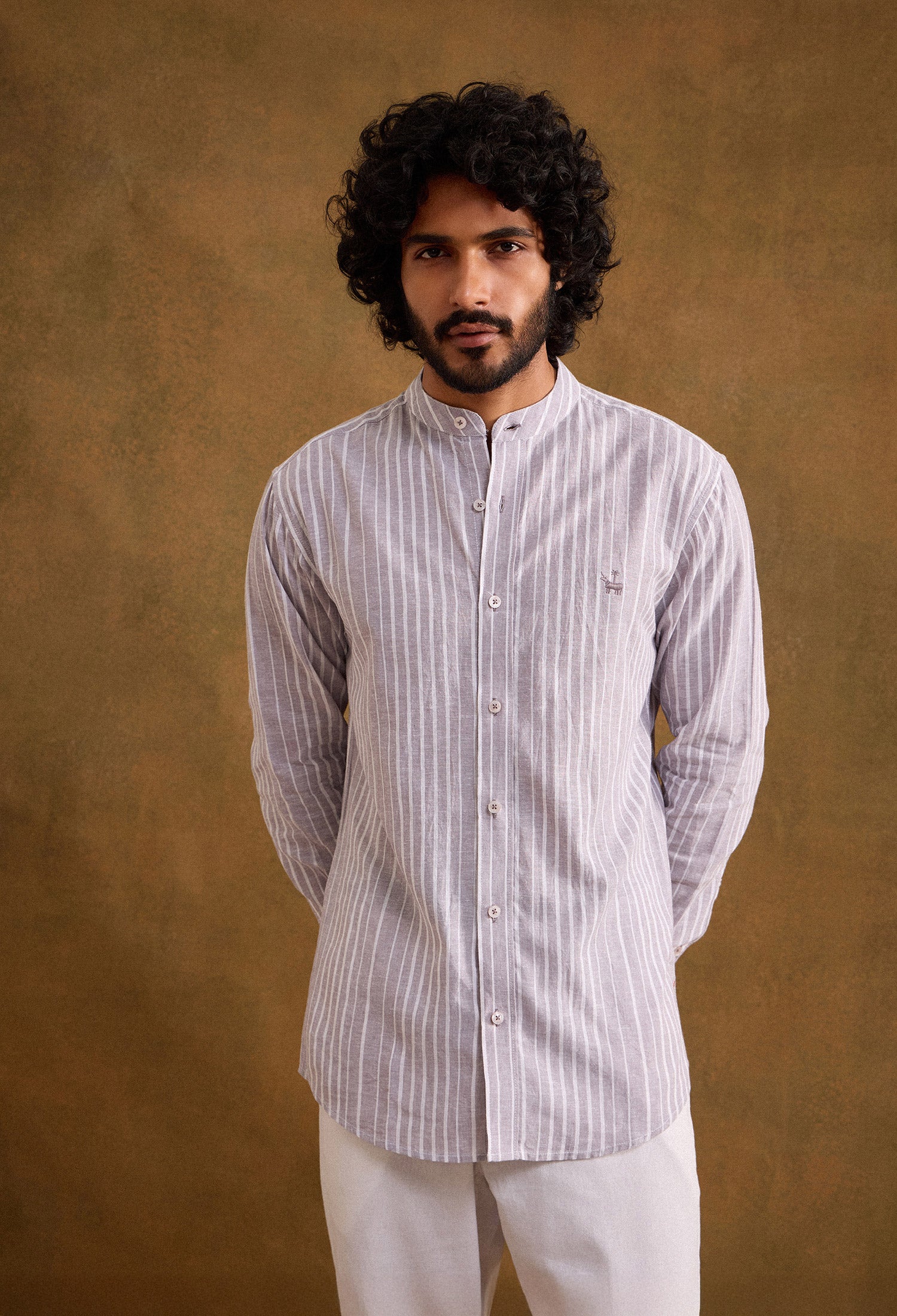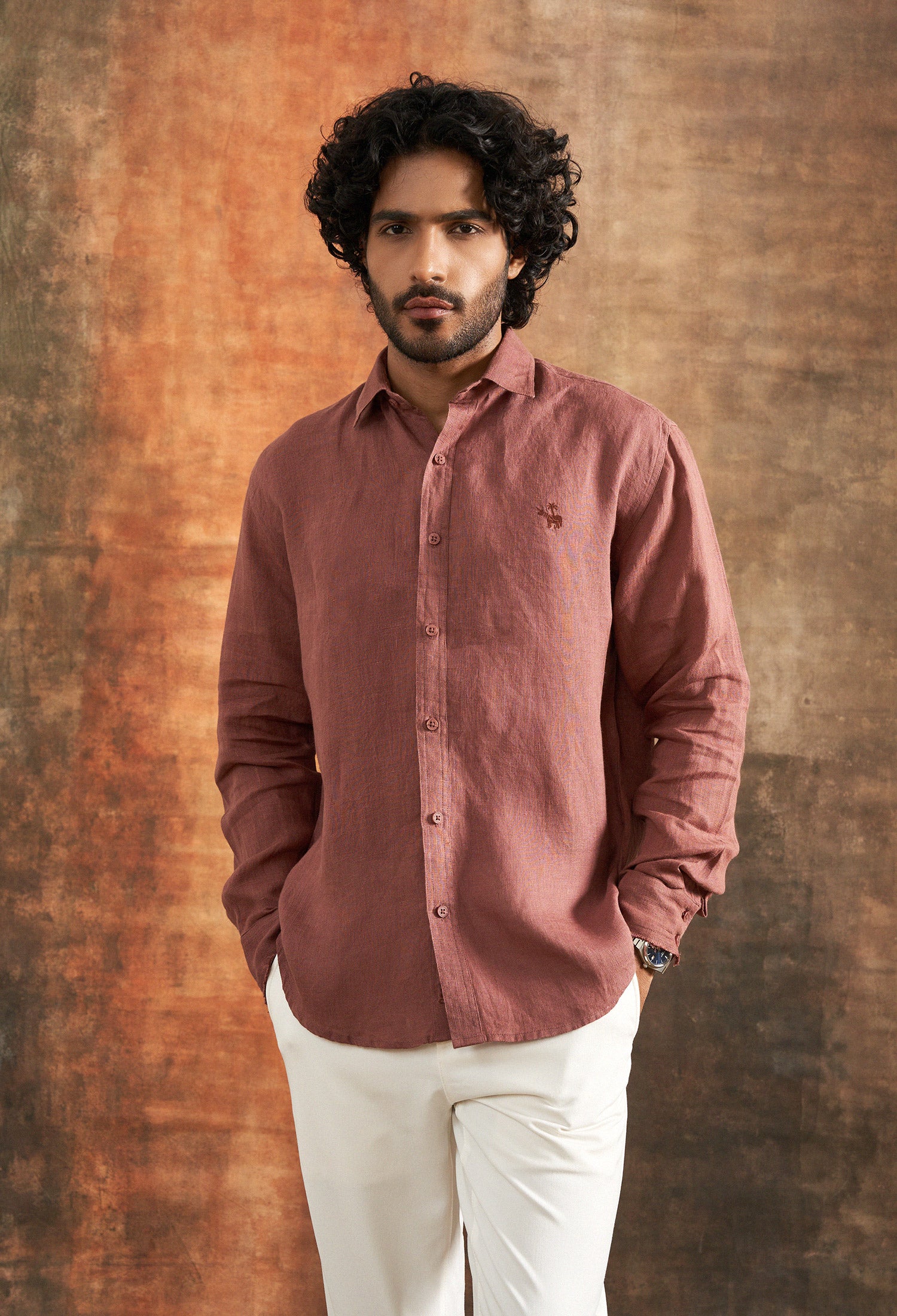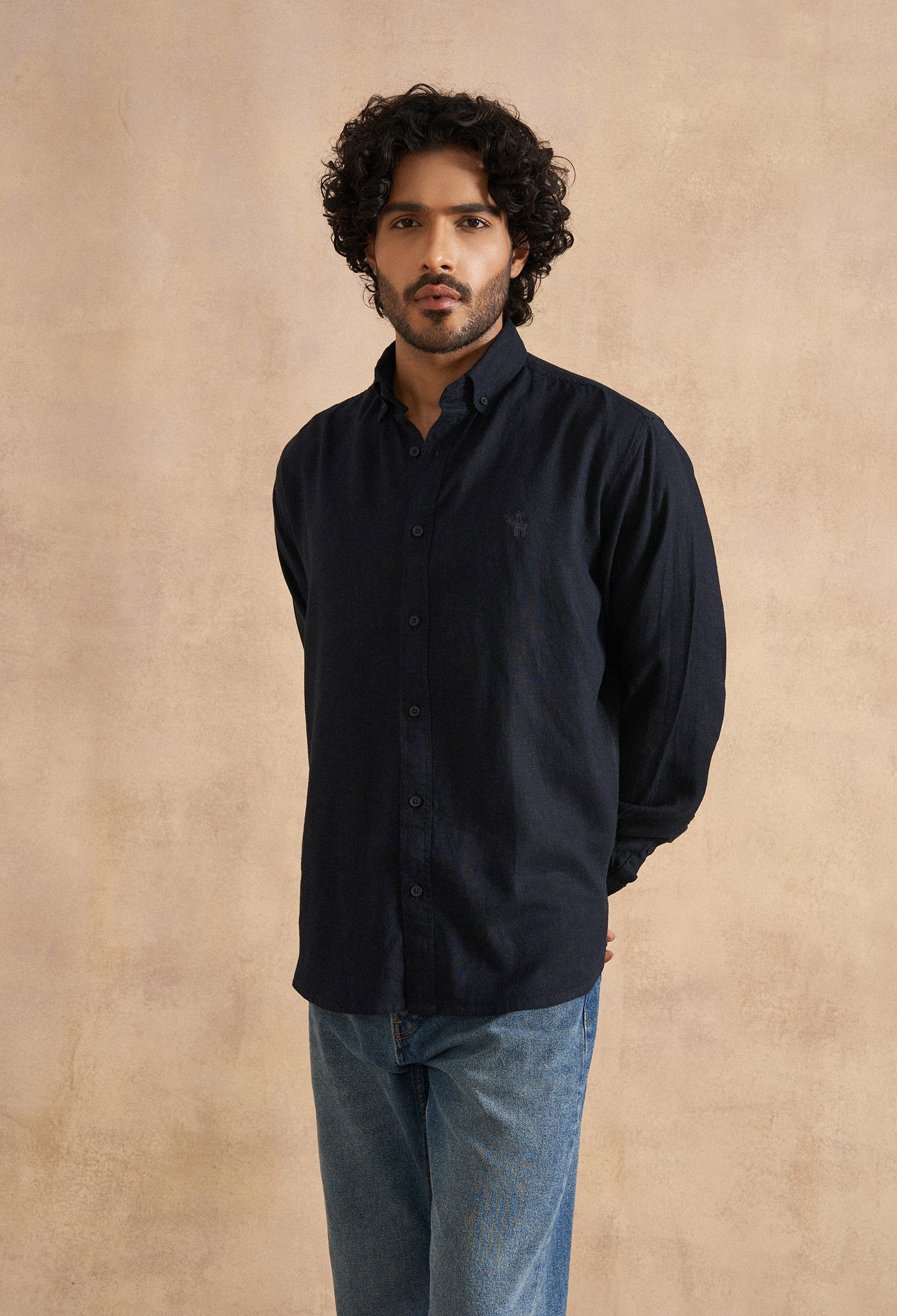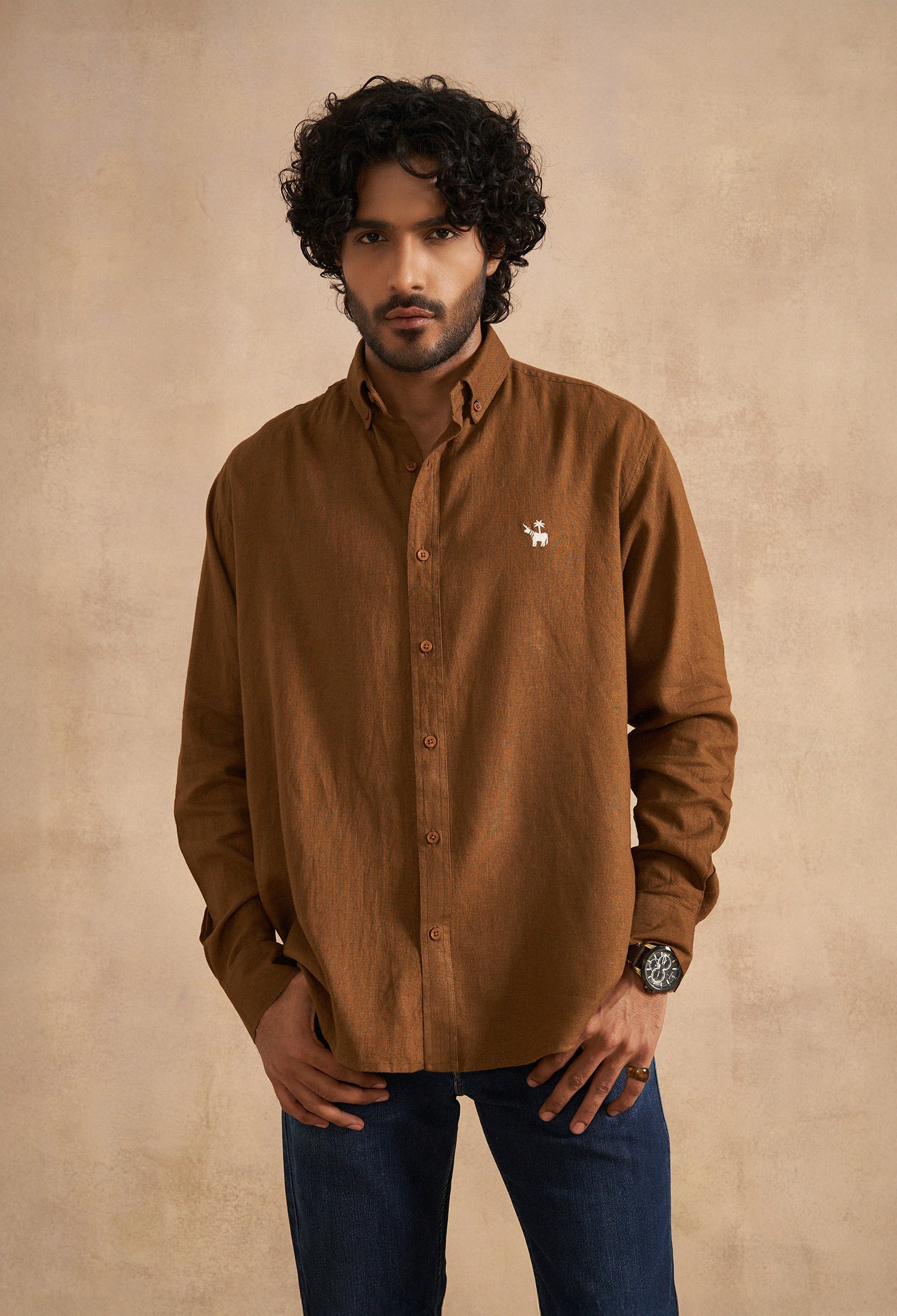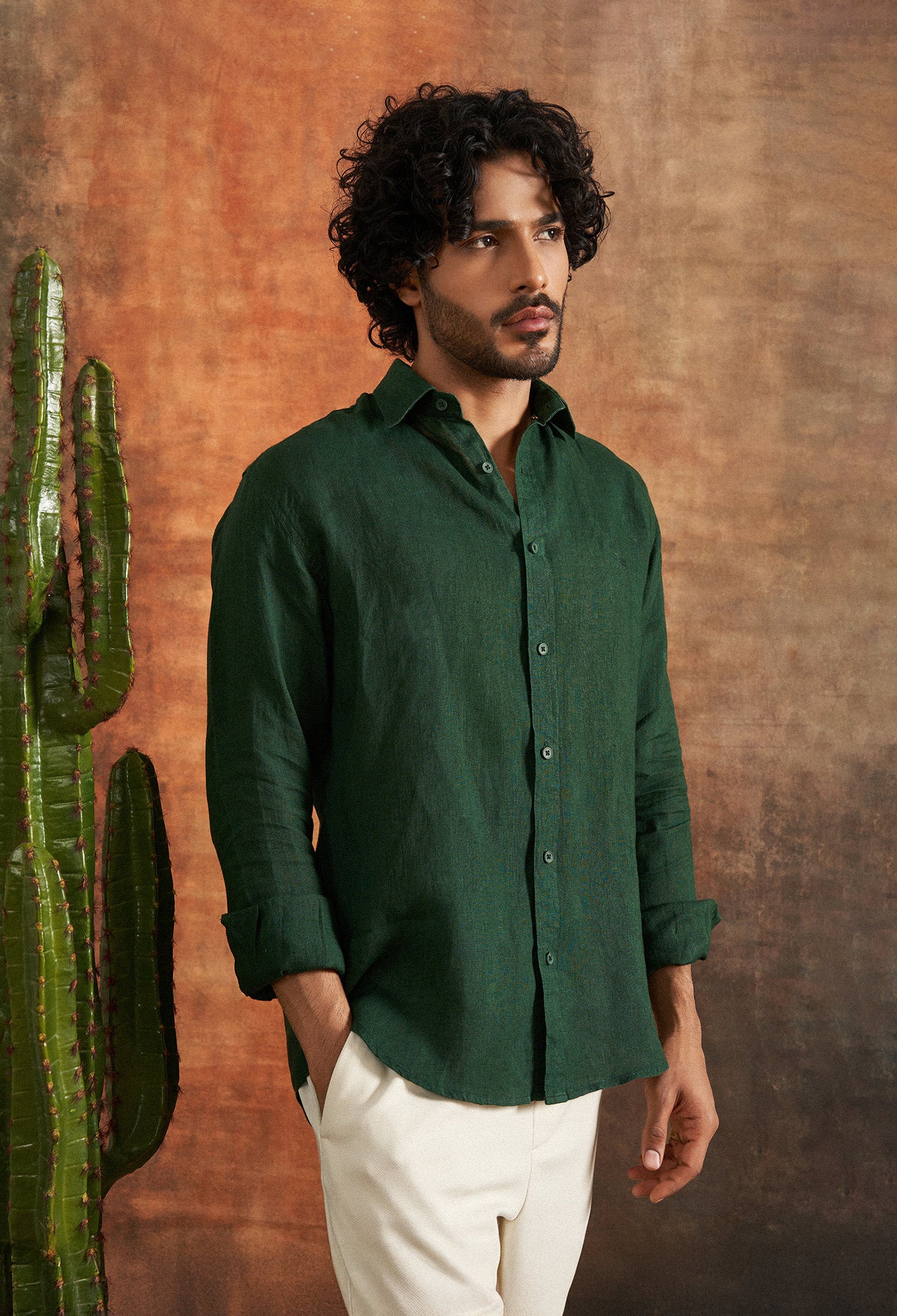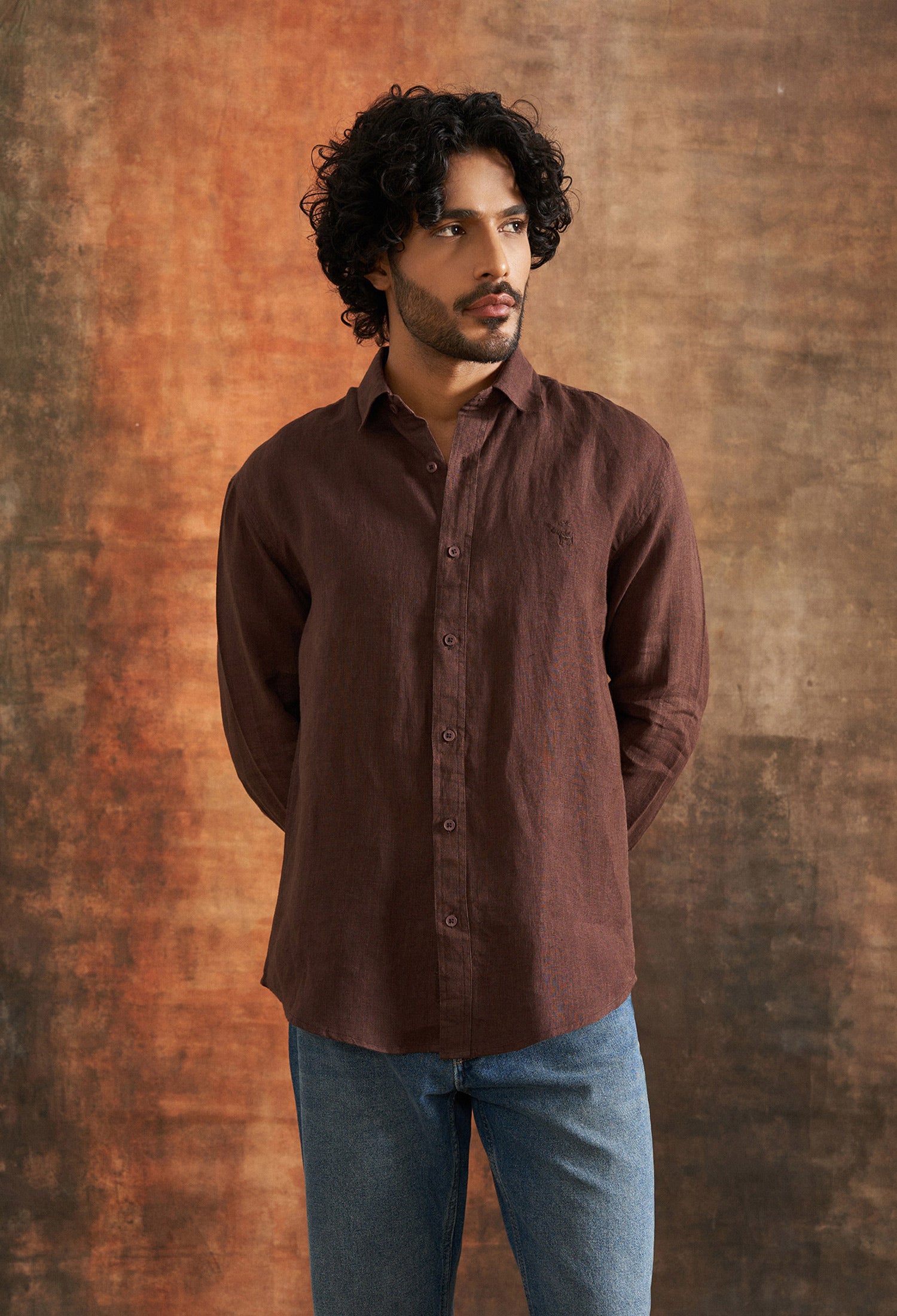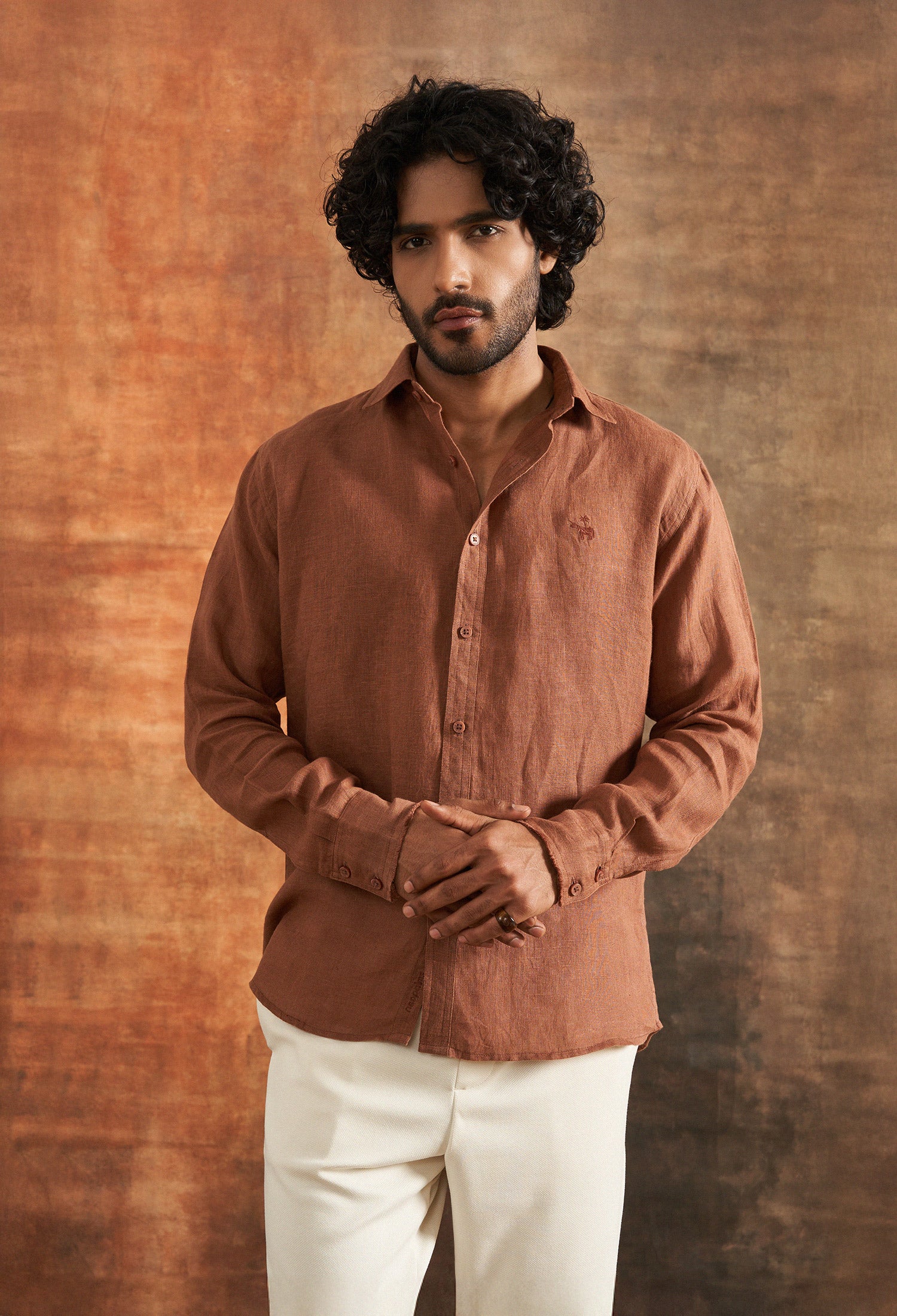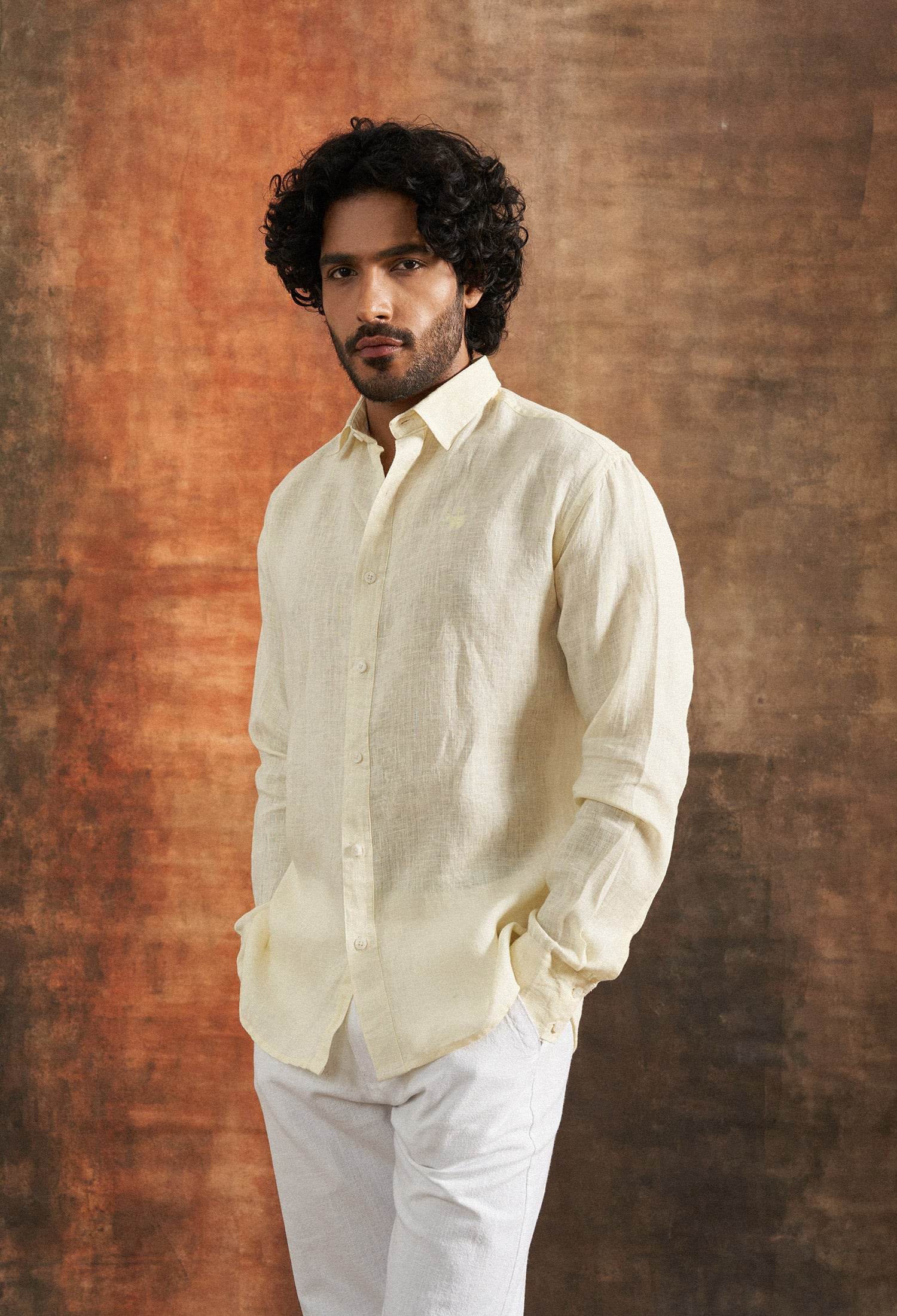


Cost Per Wear – Why Quality Shirts Pay for Themselves Over Time
As men grow into their 30s, the relationship with clothing changes. What once felt like a good deal at checkout often reveals its true cost months later in the form of faded colours, warped collars, thinning fabric and shirts that quietly retire far too soon.
This is where the idea of ‘cost per wear’ becomes far more relevant than the price tag.
Cost per wear isn’t about spending more.
It’s about spending better and choosing shirts that last, age well and earn their place in your wardrobe year after year.

Understanding Cost Per Wear
At its simplest:
Cost Per Wear = Price of the Shirt ÷ Number of Times You Wear It
A ₹1,200 shirt worn 10 times costs ₹120 per wear.
A ₹2,800 shirt worn 150 times costs under ₹19 per wear.
The difference lies in fabric quality, construction and care. Not trend or branding.
Why Quality Shirts Last Longer
1. Better Fibres, Not Just Better Feel
High-quality shirts use longer, stronger fibres. These resist pilling, tearing or thinning which are common issues with cheaper fabrics.
- Pure cottons (especially long-staple cotton) hold structure and softness longer
- Linen fibres become softer with age instead of breaking down
- Oxford and herringbone weaves distribute stress evenly, increasing durability
- Cotton gauze offers breathability without sacrificing integrity
- Blends, when done thoughtfully, improve resilience and crease recovery
Low-quality shirts often rely on short fibres that weaken quickly, leading to sagging collars and limp silhouettes.

2. Fabric You Should Invest In
Here’s why these neopalms shirt fabrics deserve a spot in your wardrobe:
- Linen:
Naturally strong, antimicrobial and improves with wear. Wrinkles are a feature, not a flaw. Ideal for Indian climates.
- Oxford Weave:
Basket-style weave makes the pure cotton tougher and more forgiving. Perfect for workwear and frequent use.
- Herringbone:
This directional weave in pure cotton disperses wear stress, helping shirts keep shape and texture.
- Cotton Gauze:
Light, airy and ideal for hot weather. When well-constructed, it balances softness with surprising longevity.
- Blends:
A blend of cotton-linen or linen-viscose combines the qualities of both fibres to enhance performance and makes them less prone to wrinkling. These cab be especially useful for travel or long workdays.
How Proper Care Multiplies Cost Per Wear

Quality shirts reward good care. Here’s how to make them last:
Washing
- Wash shirts inside out to protect colour and surface texture
- Use cold or lukewarm water only as hot water weakens fibres
- Avoid harsh detergents; mild liquid detergents are best
- Don’t overload the machine. Too much friction causes damage
Tip: Wash less. Airing a shirt after short-term wear often eliminates the need for frequent washing.
Drying
- Avoid tumble dryers whenever possible as the heat breaks down fibres
- Hang shirts on padded or wooden hangers
- Smooth collars, cuffs and plackets by hand before drying to retain their shape
Natural air-drying preserves shape and fabric integrity.
Ironing
- Iron while the shirt is slightly damp
- Use fabric-appropriate heat settings
- Steam works better than pressure for linens and textured weaves
Good ironing isn’t about sharpness, it’s about restoring structure.
Storage
- Hang structured shirts; fold softer fabrics like gauze
- Use breathable garment covers for seasonal storage
- Cedar blocks help prevent moisture and pests
A well-stored shirt ages far better than one crammed into a packed cupboard.
Repair, Don’t Replace

One of the most overlooked aspects of cost per wear is repairability.
- Replace buttons instead of discarding the shirt
- Reinforce cuffs or collars when they soften
- Small tears can be neatly mended before they spread
A minor repair extends life by years, not months.
In fact, subtle signs of wear often add character. A softened linen collar or gently faded cotton doesn’t reduce value, it is a part of the story.
Why Quality Is a Long-Term Mindset
For Indian men navigating long workdays, varied weather, travel and social commitments, shirts need to work harder and smarter.
Investing in fewer, better shirts means:
- Less clutter
- Fewer replacements
- Lower long-term spending
- A wardrobe that feels intentional, not impulsive
Quality shirts stay, adapt and age alongside you.
The Real Value of Cost Per Wear

Cost per wear isn’t just about money. It’s about respect for craftsmanship, comfort and your own time.
When a shirt fits well, feels right and lasts for years, it stops being a purchase and becomes a daily companion. That’s when clothing truly pays for itself.